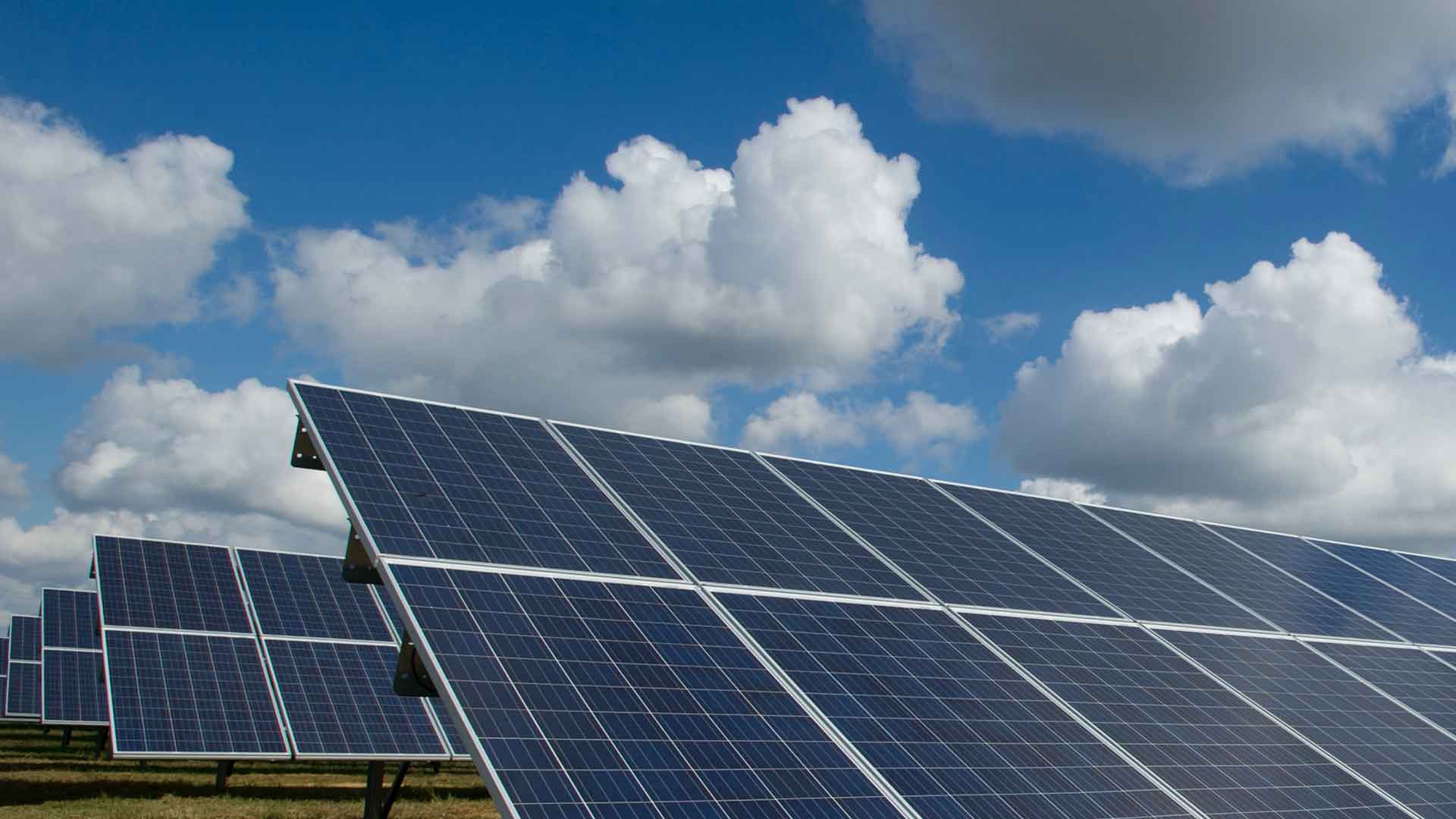
Solar Solutions
On-grid, hybrid and off-grid solar systems plus battery energy storage — matched to your consumption pattern, grid reliability and backup requirements.
On-grid, hybrid and off-grid solar systems plus battery energy storage — matched to your consumption pattern, grid reliability and backup requirements.
The right architecture depends on how much energy you use, when you use it, how reliable your grid supply is, and how much power you need to keep running when the grid fails.
On-grid systems lower the bill and use the grid as backup. Hybrid systems add batteries for control and resilience. Off-grid systems remove grid dependence entirely. Energy storage can be paired with any of these. Pro Solar helps you choose based on your real usage rather than a preferred product.
Add your appliances to our free Solar Load Calculator and see your connected load, daily consumption and suggested system size in about a minute.
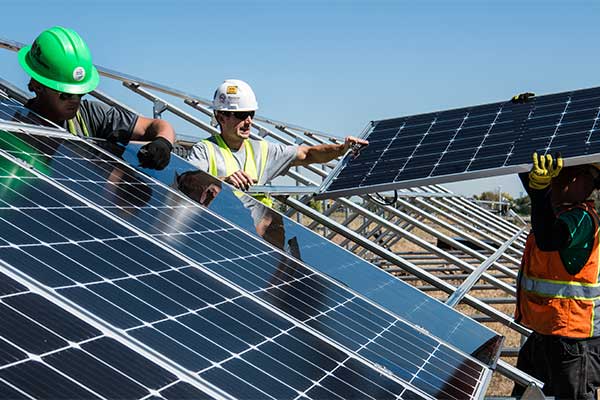
Open The CalculatorAn on-grid system is connected to the utility supply. Panels generate electricity during the day, which is used on site first; any surplus is fed back into the grid. When the sun goes down, power is drawn from the grid exactly as before.
Homes, shops, offices and commercial facilities with a reliable grid connection where the main goal is reducing the electricity bill.
Get An On-Grid Assessment
A hybrid system adds batteries to solar and grid supply. The energy priority can be arranged so that solar is used first, batteries cover peak periods or outages, and the grid is drawn on only when needed. This gives far more control than a plain on-grid system.
Households and businesses that need power through outages, want to reduce peak-hour consumption, or are looking to shift usage away from expensive tariff periods.
Get A Hybrid AssessmentAn off-grid system is fully independent. It does not rely on the utility supply at all — panels charge a battery bank and the battery bank powers the load. It is the standard solution where grid electricity is unavailable, undependable, or too expensive to extend.
Rural and semi-urban properties, farmhouses, small industrial sites, roadside facilities and any location experiencing prolonged supply interruptions.
Get An Off-Grid Assessment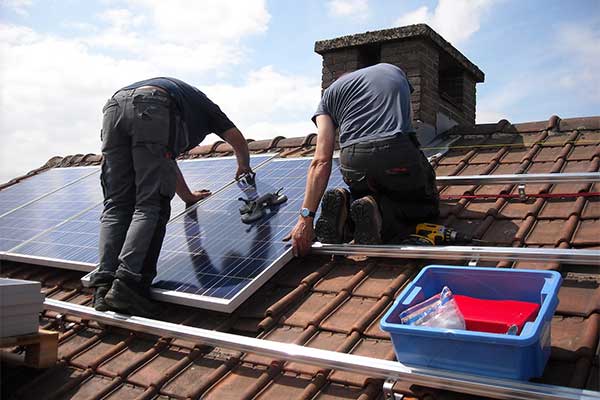
Generating solar energy is only half the problem. Battery energy storage lets you capture energy when it is cheap or abundant and deploy it when it is actually needed.
Reduce demand during expensive peak tariff windows by discharging stored energy instead of drawing from the grid.
Keep essential circuits running through load shedding or grid faults for a defined backup period.
Charge from the grid or solar when power is cheap and shift consumption into high-cost hours.
Stagger heavy equipment starts and prioritise circuits so limited stored energy goes where it matters.
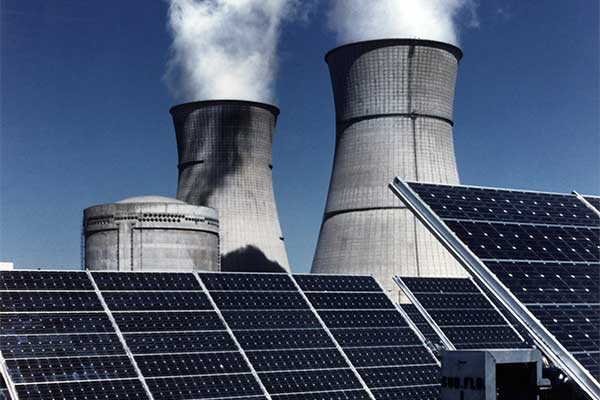
Battery storage is not a single product decision. Two sites with the same monthly consumption can need very different systems depending on when they use power and what they must keep running during an outage.
Our design considers usable energy rather than nameplate capacity, depth of discharge, inverter efficiency, the backup window you actually need, and the ambient conditions of the installation area.
The result is a storage system matched to the load, with the usable backup hours stated up front instead of discovered later.
| Consideration | On-Grid | Hybrid | Off-Grid |
|---|---|---|---|
| Grid connection required | Yes | Yes | No |
| Works during a grid outage | No | Yes, on battery backup | Yes |
| Main benefit | Lower electricity bill | Bill reduction plus backup and control | Complete independence from the grid |
| Battery storage | Optional | Standard part of the system | Required, sized for autonomy days |
| Net metering relevant | Yes | Yes, for exported surplus | No |
| Typical users | Homes with reliable supply | Homes and businesses with outages or peak tariffs | Locations with weak or no grid supply |
Speak to Pro Solar about a solar and energy storage system designed for your home, your business or your facility. Free consultation, proper engineering, dependable support.

Solar energy and energy storage systems for residential, commercial and industrial customers across Pakistan.
Islamabad & Rawalpindi, Pakistan